
HSK 3 grammar
65 topics of HSK 3: the pattern, a short explanation and examples. The full explanation, common mistakes and exercises for each topic are in the app.

HSK 1 HSK 2 HSK 3 HSK 4 HSK 5 HSK 6 HSK 7–9
- 越来越 + adj./verb — 越来越: more and more越来越 means "more and more, increasingly": 天气越来越冷了. It comes after the subject, directly before an adjective or verb; 很 and 非常 are not needed.
- 越 A 越 B — 越……越……: the more…, the more…越 A 越 B means "the more A, the more B": 越快越好 — "the faster, the better". Both instances of 越 come before verbs or adjectives, after the subject.
- 又 A 又 B — 又……又……: both…and…又 A 又 B means "both A and B": two qualities or actions together. 这个苹果又大又甜. 又 comes before each adjective or verb; both qualities usually point "in the same direction".
- 一边 V₁,一边 V₂ — 一边……一边……: doing two things at onceSubject + 一边 + action 1 + 一边 + action 2 means "doing one thing while doing another": 他一边吃饭一边看电视. Repeat 一边 before each verb; usually the same person performs both actions.
- 先 A,然后/再 B — 先……然后/再……: first, then先 A,然后 B / 先 A,再 B means "first A, then B". 先 and 再 go before verbs; 然后 goes at the start of the second clause. 再 refers to something that has yet to happen.
- V₁ + 了 + … + 就 + V₂ — "Do one thing, then immediately another": 了……就……V₁了…就V₂ means "do one thing, then immediately another": 我吃了饭就去 — "I'll eat and then go right away." It works for both future actions and habits: 了 here means "having finished," not past tense.
- 又 + V + 了 / 再 + V — 又 and 再: "again" in the past and futureBoth mean "again", but 又 marks a repetition that has already happened (他又来了 — he came again), while 再 marks a future or requested repetition (明天再来 — come again tomorrow).
- time + 就 + V + 了 / time + 才 + V — 就 and 才: "already" (early) and "not until" (late)就 means earlier or faster than expected: 他七点就来了 ("as early as seven"). 才 means later or with more difficulty than expected: 他十点才来 ("not until ten"). 就 is usually followed by 了; 才 is not.
- 终于 + verb + 了 — 终于: "finally" after a long wait终于 means "finally, at last": a desired result comes after a long wait or much effort. It goes before the verb; 了 usually appears at the end because the result has already been achieved.
- 刚 + V / 刚才 — 刚 and 刚才: just now刚 means "just, recently", an adverb before the verb: 我刚到家. 刚才 means "just now, a few minutes ago", a time word: 刚才他来了. With negation and 的, use only 刚才.
- …… 以前 / …… 以后;以前 / 以后 — 以前 and 以后: "before", "after", "previously", "later"Event + 以前 means "before", event + 以后 means "after": 吃饭以前, 下课以后. Without an event: 以前 means "previously, in the past", and 以后 means "later, in the future". Unlike English, 以前/以后 go AFTER the event.
- A 或者 B / A 还是 B? — 或者 and 还是: two words for "or"Chinese has two words for "or." 还是 is used in choice questions: 你喝茶还是喝咖啡? 或者 is used in statements when either option works: 喝茶或者咖啡都可以. Questions with 还是 don't need the particle 吗.
- 应该 + V / 不应该 + V — 应该: "should, ought to" and "probably"应该 + verb means "should, ought to" (advice, the right thing to do). 应该 can also mean "probably, presumably." Its negative form is 不应该: "should not."
- 会 + V (……的) — 会: will probably happen, may happen会 before a verb can mean not "can," but "will, will probably happen": 明天会下雨. Its negative form is 不会 ("won't"). 的 is often added at the end to express confidence.
- 好像 + … — 好像: seem, appear好像 means "seem, appear, as if": use it when you are not sure. 他好像不高兴. It goes after the subject, before the verb; with 一样, it means "as if, like".
- 几乎 / 差不多 — "Almost": 几乎 and 差不多几乎 and 差不多 mean "almost." 几乎 only comes before a verb or adjective. 差不多 can also be a predicate: "almost the same," "almost ready," or mean "approximately" before a number.
- 其实 + … — 其实: actually其实 means "actually": use it to correct an earlier belief or statement, or reveal the truth. 大家都以为他是老师,其实他是学生. It does not mean "very" or "really?".
- 如果 A,(就) B — 如果……就……: if — then如果 A,就 B means "if A, then B". The condition always comes first, and 就 follows the subject in the second clause. 的话 is often added at the end of the condition: 如果你不去的话.
- 为了 + purpose,…… — 为了: in order to, for the sake of为了 means "in order to, for the sake of": it states a purpose. It usually comes first: 为了学好汉语,他每天看中国电影. If the purpose comes last, use 是为了: 我这么做是为了你.
- A 跟/和 B 一样 (+ adj.) — 跟……一样: "the same as"A 跟 B 一样 — "A is the same as B"; 跟 B 一样高 — "as tall as B"; 跟 B 不一样 — "different from B". 一样 always comes at the end of the comparison, with any adjective after it.
- 一点儿也不 / 一 + measure word + N + 都/也 + 不/没有 — 一点儿也不, 一个人都没有: not at all, not a single one一点儿也(都)不 + adjective means "not at all": 我一点儿也不累. 一 + measure word + noun + 都/也 + 没有 means "not a single one": 一个人都没有. 也/都 is required.
- 什么/谁/哪儿 + 都/也 + … — 什么都, 谁都, 哪儿都: everything, everyone, everywhereA question word + 都/也 means "everything, everyone, everywhere"; with a negative, it means "nothing, no one, nowhere": 我什么都不想吃. The question word comes BEFORE the verb.
- question word …… 就 …… question word — "Eat whatever you want": repeated question wordsRepeating the same question word means "whatever…; wherever…": 想吃什么就吃什么, 哪里便宜去哪里. This is not a question. 就 often links the two parts.
- V + 得/不 + result — 看得懂 / 听不懂: can or cannotPut 得 ("can") or 不 ("cannot") between the verb and the result: 听得懂 — can understand what one hears, 听不懂 — cannot understand. This is how Chinese expresses "can / cannot."
- A 让 B + V — 让: "tell, ask, allow"A 让 B + verb — A tells, asks or allows B to do something: 妈妈让我去买菜 — "Mom asked me to go grocery shopping." 不让 — "doesn't allow." 让我 + verb — "let me…"
- 把 + O + V + result — 把: what was done to an object把 moves the object before the verb to say what was done to it and where it ended up: 我把作业写完了. Something must follow the verb: a result, 了, or a location.
- A 被 (B) + V + result — 被: something happened to someone被 is a passive construction: the object or person affected by an action comes first: 我的手机被弟弟拿走了. It often describes something unpleasant. The verb also needs a result or 了 after it.
- 不但 A,而且 B — 不但……而且……: not only, but also不但 A 而且 B — "not only A, but also B": 这个菜不但好吃,而且很便宜. If there is one subject, it comes before 不但; 也/还 is often added in the second part.
- 除了 A (以外),…… — 除了……以外: except; besides除了 A 以外 — "except A; besides A". Follow it with 都 for "everyone/everything except A" (excluding A), or 还/也 for "in addition to A" (including A). 以外 can be omitted.
- 只要 A,就 B — 只要……就……: as long as只要 A 就 B — "as long as A, B will happen": the condition is sufficient. 只要你努力,就能学好. The pair is 只要 — 就 (not 才).
- 只有 A,才 B — 只有……才……: only if — then只有 A 才 B — "B will happen only if A": without A, it cannot happen. 只有多说,才能说好汉语. The pair is 只有 — 才 (not 就).
- 关于 + topic (+ 的 + N) — 关于: about; on the topic of关于 — "about; on the topic of": 一本关于中国历史的书 — "a book about Chinese history". Before a noun: 关于…的 + noun; at the start of a sentence: 关于…,… ("as for…").
- 在 + … + 上 / 下 / 中 — "In studies, with help, in life": 在……上 / 下 / 中在…上 means "in, in the area of": 在学习上 — "in one's studies." 在…下 means "under, with (someone's help)": 在老师的帮助下 — "with the teacher's help." 在…中 means "during, among": 在生活中 — "in life."
- 看来 + conclusion / 看 上去 + adj. / 在 + person + 看来 — "It seems", "looks", "in someone's opinion": 看来 / 看上去 / 在……看来看来 means "it seems, apparently" (a conclusion from what we see): 看来要下雨了. 看上去 means "looks, appears": 你看上去很累. 在我看来 means "in my opinion, in my view".
- 一般 来 说 , + general rule — "As a rule, usually": 一般来说一般来说 means "as a rule, usually, generally": 一般来说,南方比北方热. It goes at the beginning of a sentence, followed by a comma. It describes a general rule, not a one-time event.
- 对 + person + 来说 — "For me…, from my point of view": 对……来说对……来说 means "for someone, from someone's point of view." Place it at the start of the sentence or right after the subject, never at the end as in English "difficult for me."
- V + 一会儿 / 一会儿 + V / 不 一会儿 / 一会儿 A , 一会儿 B — "For a while", "soon", "now…, now…": 一会儿一会儿 means "for a little while" after a verb (等一会儿) and "soon, in a moment" before a verb (他一会儿就来). 不一会儿 means "soon, in no time". 一会儿A,一会儿B means "now A, now B".
- …… 不 怎么样 / 不 怎么 + adj. / verb — "So-so", "not very": 不怎么样 and 不怎么不怎么样 means "so-so, not very good": 这家饭馆的菜不怎么样. It goes at the end as an evaluation. 不怎么 + adjective or verb means "not very, not particularly": 今天不怎么冷, 我不怎么喜欢吃甜的.
- verb / adj. + 什么 (+ 啊) — "Why are you…? No need to…": 哭什么啊, 急什么Verb + 什么 (+ 啊) is not a real question: it means "why are you…, there's no need to…, don't": 你哭什么啊? — "why are you crying?", 急什么? — "what's the hurry?". A reason usually follows.
- 不是 …… 吗 ? — "Isn't it…? Surely…": 不是……吗不是……吗? means "isn't it…? / surely…!": the speaker is certain and is reminding someone or expressing surprise. 你不是说不来吗? — "didn't you say you weren't coming?" Usually, no answer is expected.
- noun + 个个 / 张张 / 天天 + 都 ; 一 个 一 个 (地) + verb — "Every single one" and "one by one": 个个, 天天, 一个一个Repeating a measure word means "each, every single one": 同学个个都很聪明, 他天天跑步. 都 usually follows. 一个一个 (地) + verb means "one by one, one after another": 请大家一个一个地进来.
- 不 + A + 不 + B — "Just right": 不大不小, 不冷不热不 A 不 B with opposite adjectives means "neither A nor B — just right": 不大不小 — "neither big nor small," 不冷不热 — "neither cold nor hot."
- possessor + 这 / 那 + number + measure word + adj. (+ 的) + noun — Modifier order: 我的那两本新书When several modifiers precede a noun, their order is fixed: possessor (的) → this/that → number + measure word → description → noun: 我的那两本新书. A longer description with 的 goes closer to the noun.
- action + 很 / 是 / 让 + … — "Learning Chinese is interesting": an action as the subjectA whole action can stand at the beginning of a sentence as the subject, without words like "the fact that": 学汉语很有意思 — "Learning Chinese is interesting," 他不去是对的 — "It's right that he isn't going."
- V + 住 / 走 / 上 — Complements of result 住, 走, 上: 记住, 拿走, 关上, 穿上Three more "results" after a verb: 住 — fix in place, hold (记住 "memorize", 站住 "stop"); 走 — take away (拿走); 上 — close, put on, write in (关上, 穿上, 写上).
- 跟 + person + 见面 ; 见 + 过 + number + 面 — "Separable words": 见面, 结婚, 洗澡, 放假, 离开见面, 结婚, 洗澡, 放假 combine "verb + object" in one word, so they don't take another object after them: not 见面他, but 跟他见面. 了, 过 and quantities go inside: 见过一次面, 洗了个澡.
- V + 起来 — "Looks, started, remembered": verb + 起来After a verb, 起来 does not just mean "up". 看起来/听起来 mean "looks, sounds"; 笑起来/哭起来 mean "started"; 想起来 means "remembered". The object goes between 起 and 来: 下起雨来.
- V + 出来 — "Notice, recognize, think of": verb + 出来出来 after a verb means "out," or figuratively, making something hidden apparent: 看出来 — "notice, tell by looking," 听出来 — "recognize by sound," 想出来 — "think of," 做不出来 — "cannot solve."
- V + 下去 / V + 下来 — "Continue" and "write down, stop": 下去 and 下来V下去 means "keep going": 说下去, 坚持下去. V下来 means "record, retain" (写下来, 记下来), "stop, settle down" (停下来, 安静下来), or "hold out until now" (坚持下来了).
- adj. + 得很 / 极了 / 坏了 — 好得很, 好极了, 累坏了: "very, very"A high degree can be expressed AFTER the adjective: 冷得很 — "very cold", 好极了 — "excellent", 饿坏了 — "terribly hungry". Nothing is added after 得很 or 极了, and 很 is not placed before the adjective.
- 怎样 + verb? / 怎样 的 + noun — 怎样: "how, in what way"怎样 means "how, in what way": 怎样学好汉语? Before a verb, it equals 怎么; at the end of a sentence and before 的, it equals 怎么样. But 怎样 does not mean "why", and suggestions like "let's…, how about it?" normally use 怎么样.
- place + V (+ 了 / 来 / 去) + number + who / what — 前面走过来一个人: someone appears or disappearsWhen someone new appears in or disappears from a place, put the place first and the person after the verb: 家里来了两位客人, 前面走过来一个人, 我的包里少了一本书.
- 大概 + … ; 三 四 / 七 八 + measure word — 大概, 三四个: approximatelyUse 大概 before a verb or number to mean "approximately": 他大概八点到. Or put two consecutive numbers together: 三四个 "three or four," 七八天 "seven or eight days." Use the measure word only once, at the end.
- 需要 / 愿意 / 得 / 必须 + V ; 不用 + V — 需要, 愿意, 得, 必须: need to, be willing to, must需要 means "need to," 愿意 means "be willing to," 得 (děi) is a conversational "have to," and 必须 means "must." To say "don't have to" with 得 and 必须, use 不用: 你不用来, not 不得 or 不必须.
- 别人 / 咱们 / 别的 / 其他 ; 什么 / 哪儿 / 谁 = "something, somewhere, someone" — 别人, 咱们, 别的: others, you and I, something别人 means "other people," 别的 and 其他 mean "other," and 咱们 means "we," including the listener. When not asking a question, 什么, 哪儿, 谁 mean "something, somewhere, someone": 好像在哪儿见过.
- 才 + 不 / 没有 + … + 呢! ; 这 才 + … ; 就 + 不 / 是 — 我才不去呢, 就是他: 才 and 就 with emotion才…呢 expresses a strong objection: 我才不去呢! "No way, I'm not going!". 这才… means "now that's what I call": 这才对! 就 + 不 expresses stubbornness: 我就不去 "I'm not going, and that's that". 就是 means "exactly": 就是他.
- 是 + evaluation + 的 — "It really is true": 是……的 for a confident evaluation是…的 around an evaluation makes it sound firm and calm: 你说的是对的 — "what you're saying is right (I'm sure)", 他会来的 — "he will definitely come". Use it to persuade or reassure someone.
- 比较 / 更 / 特别 / 挺……的 / 有些 + adj.;adj. + 极了 — "Quite, even more, especially, pretty, a little, extremely": 比较, 更, 特别, 挺……的, 有些, 极Adverbs of degree go before adjectives: 比较 — "quite", 更 — "even more" (A 比 B 更 + adj.), 特别 — "especially", 挺……的 — "pretty" (colloq.), 有些 — "a little" (for something unpleasant). 极 usually goes after: 好极了 — "excellent!".
- 一块儿 / 一共 / 只 / 到处 + verb — "Together, in total, only, everywhere": 一块儿, 一共, 只, 到处These adverbs go after the subject, before the verb: 一块儿 — "together" (colloquial 一起), 一共 — "in total, altogether", 只 — "only, just", 到处 — "everywhere" (often 到处都是……).
- 就 + verb + number ; 就 + who ; 只是 + … — "Only": 就 and 只是就 before a quantity or person means "only, just": 我就有十块钱 — "I only have ten yuan", 就他一个人没来 — "he's the only one who didn't come". 只是 means "just, merely": 我只是问一下 — "I'm just asking".
- 马上 / 一直 / 总(是) / 常常 + verb — "Right away, all the time, always, often": 马上, 一直, 总是, 常常马上 means "right away, any moment now" (often 马上就……). 一直 means "all the time, without a break". 总 / 总是 means "always, constantly" (every time). 常常 means "often" (many times, but not always). All go before the verb.
- 大概 / 一定 / 当然 + … — "Probably, definitely, of course": 大概, 一定, 当然大概 means "probably" (uncertain) or "approximately" before a number. 一定 means "definitely" (a promise or request) or "must" (a confident guess); 不一定 means "not necessarily". 当然 means "of course" and goes before the verb or at the start of a sentence.
- 为 / 向 + person / thing + verb;根据 + basis,…… — "For, toward / from, according to": 为, 向, 根据为 means "for someone, for someone's sake": 我为你高兴, 为大家服务. 向 means "toward" (向前走) and "to, from someone" (向他学习). 根据 means "according to, based on": 根据大家的要求…… The prepositional phrase goes before the verb.
- (Subject +) 该 + verb + 了;该 + person + 了 — "It's time to …": 该……了该……了 means "it's time to": 该起床了 — "it's time to get up". 该 goes before the verb, and 了 goes at the end of the sentence. 该 + person + 了 means "someone's turn": 该你了 — "your turn", 该谁了? — "whose turn is it?".
- 从 + time + 起,……;或者 A,或者 B — "Starting from …" and "either … or …": 从……起, 或者……,或者……从……起 means "starting from": 从明天起 — "from tomorrow on"; what follows describes what will happen from that point onward. 或者 A,或者 B means "either A or B": it lists options in a statement; in a question, use 还是 instead.
Blog
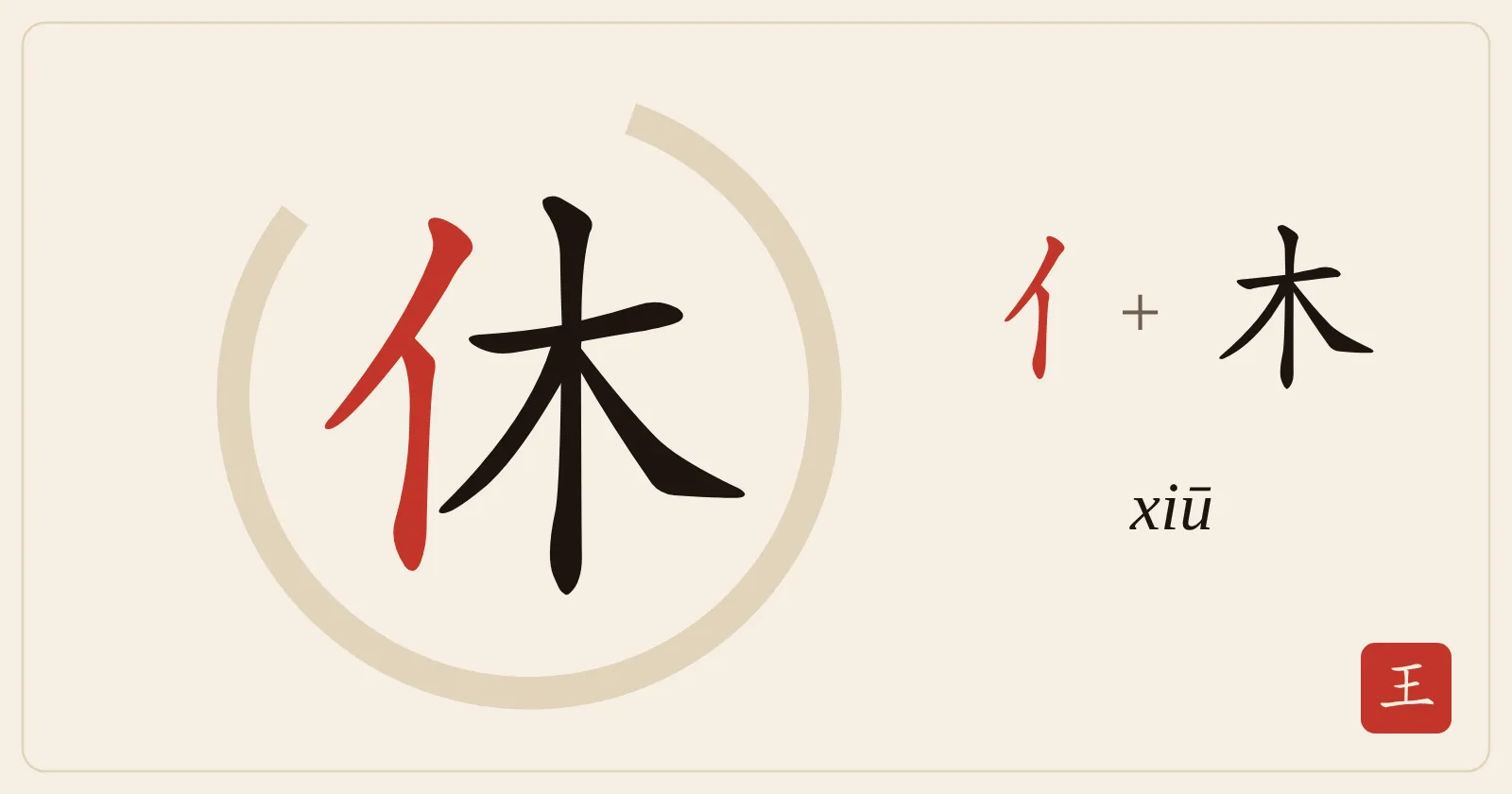 How to remember Chinese characters: 6 methods that workCharacter components and radicals, stroke order, handwriting, words instead of single characters, spaced repetition and mnemonics: how to learn HSK characters.
 How to start learning Chinese from zero: a plan for your first monthA four-week plan: pinyin and tones, your first HSK 1 words, characters and listening, 20–30 minutes a day.
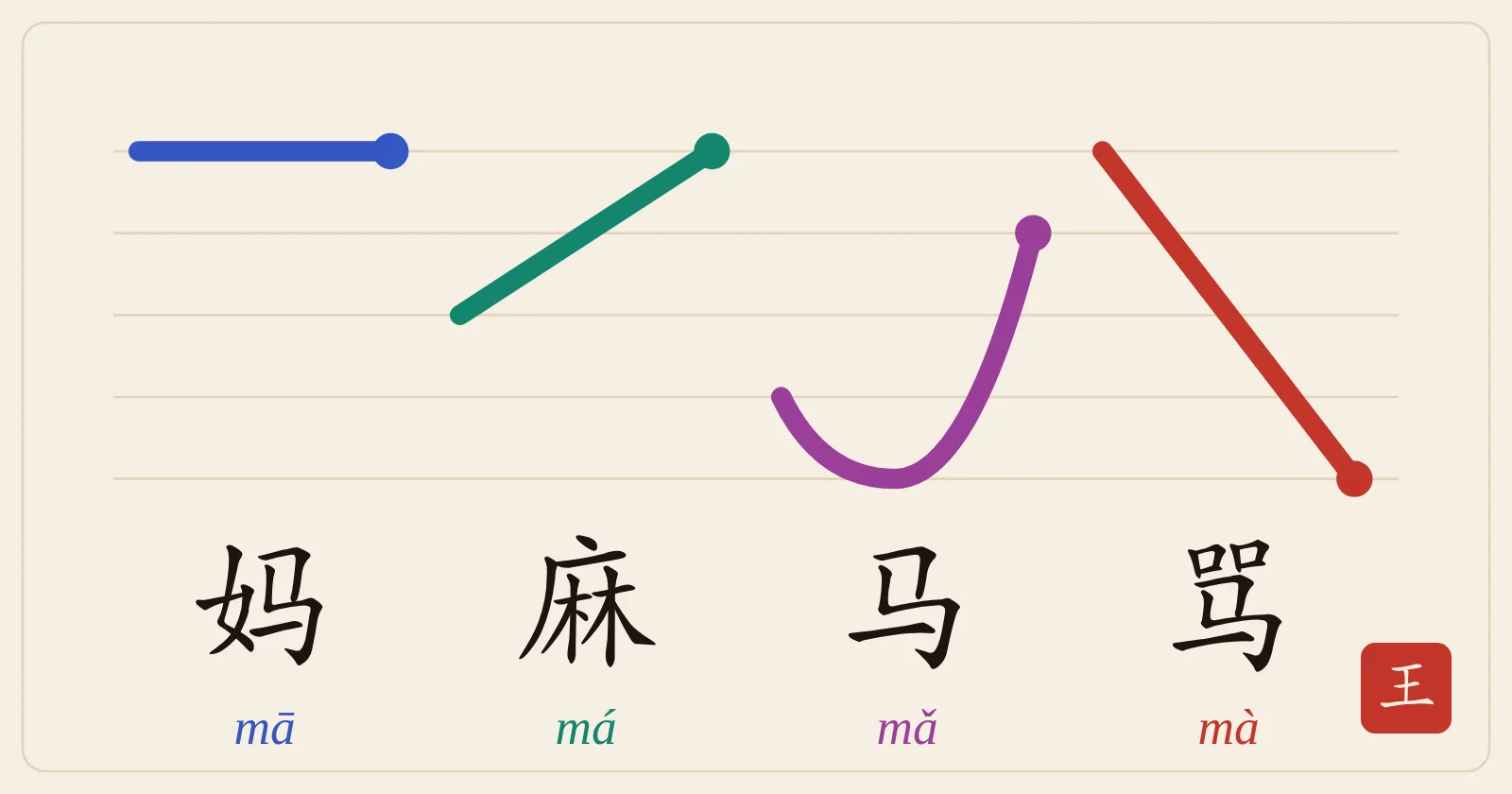 Chinese tones: how to hear and pronounce themThe four tones and the neutral tone, how tones change in 你好, 不 and 一, and five exercises that help you hear the difference.